
Uncovering the historical evolution of gambling through the ages
Origins of Gambling in Ancient Civilizations
The history of gambling can be traced back to ancient civilizations, where it was often intertwined with religious practices and social rituals. Archaeological evidence suggests that games of chance existed in Mesopotamia around 3000 BC, with clay dice found in ancient sites. These dice, crafted from materials like bone and ivory, laid the groundwork for the games we recognize today, highlighting how chance played a significant role in cultural practices long before modern casinos emerged. Moreover, those interested in streaming options can check out pikashow-in.app for various entertainment choices.

Similarly, ancient Egyptians also engaged in gambling activities, using rudimentary board games that relied heavily on luck and strategy. The “Game of Senet,” played on a 30-square board, is one of the oldest known board games and featured elements of betting. The use of these games served not just as entertainment, but also as a means for socialization, education, and even preparation for the afterlife, suggesting that gambling has always held a deeper cultural significance.
In ancient Rome, gambling evolved further as betting on gladiatorial games became popular. This societal phenomenon encapsulated not only the thrill of chance but also the spectacle of life-and-death situations. Roman emperors often participated in or supported these activities, indicating that gambling transcended mere pastime to become an essential part of public life and economy. The acceptance and popularity of gambling in these early societies set the stage for its evolution throughout history.
The Medieval Period and the Rise of Gaming Houses
The Middle Ages marked a transformative period for gambling, with the emergence of more organized gaming houses across Europe. As towns and trade routes flourished, so did the concept of dedicated spaces for gambling. The first recorded gambling houses were established in Italy, where citizens could partake in various games of chance, including lotteries and card games. This paved the way for the establishment of casinos in the subsequent centuries.
During this period, gambling became more formalized, with regulations and laws starting to govern the activities. In many regions, particularly in England and France, monarchs began to recognize the economic potential of legalized gambling. This led to the approval of official lotteries, intended to fund public projects, showcasing how gambling began to intertwine with government and societal benefit. The ability to control and profit from gambling activities started to shape its reputation and accessibility.
Furthermore, the introduction of playing cards in the late medieval period revolutionized gambling. With the creation of games like poker and blackjack emerging from card-playing traditions, more sophisticated forms of gambling started to take shape. These games quickly spread across Europe, reflecting changes in social dynamics and leisure activities, further embedding gambling into the fabric of society.
The Era of Modern Gambling and Casino Development
The 17th and 18th centuries saw the birth of modern gambling as we know it today. The establishment of the first official casino, the Ridotto, in Venice in 1638, provided a controlled environment where people could enjoy various games under regulation. This concept of the casino would eventually spread throughout Europe and later, to the United States, as a destination not just for gambling but for social engagement and entertainment.
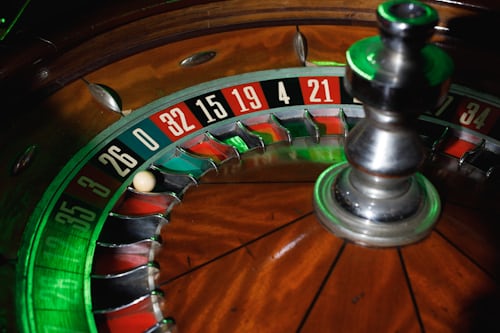
As gambling became more mainstream, innovations in game design and the introduction of new gaming machines began to appear. The creation of the roulette wheel and the rise of slot machines in the late 19th century transformed the casino experience, offering players more opportunities for chance. These advancements marked a significant shift from social and strategic games to those based purely on luck, appealing to a broader audience looking for thrilling entertainment.
This era also saw increased regulatory scrutiny, as governments sought to control the growing gambling industry. Anti-gambling campaigns emerged, leading to fluctuating legality across different regions. Despite the pushback, the allure of gambling proved irresistible, resulting in the establishment of iconic gambling hubs, such as Monte Carlo and Las Vegas, which would redefine the landscape of gambling entertainment worldwide.
The Digital Revolution and Online Gambling
The late 20th century heralded the digital revolution, bringing about a seismic shift in the world of gambling. With the advent of the internet, online casinos and betting platforms emerged, making gambling more accessible than ever before. This revolution allowed individuals to engage in gambling activities from the comfort of their homes, eliminating many of the social barriers previously associated with traditional casinos.
Online gambling introduced an array of new games, including virtual poker, online slots, and sports betting, often featuring innovative graphics and interactive experiences. Websites were designed to mimic the traditional casino atmosphere while providing the convenience of gaming at any time. The rapid growth of mobile technology further propelled this trend, as players could now gamble on smartphones and tablets, leading to an explosion in the online gambling market.
However, with these advancements came challenges, including concerns about security, fairness, and responsible gambling. Governments around the world began to implement regulations to protect players, aiming to ensure that online gambling remained a safe and fair experience. The digital age not only revolutionized how gambling is conducted but also how it is perceived, leading to a growing acceptance of online gaming as a legitimate form of entertainment.
Understanding Gambling Today and Future Trends
Gambling today has evolved into a multifaceted industry that spans a variety of forms, including online casinos, sports betting, and eSports wagering. This diversification reflects changing societal norms and technological advancements, showcasing how gambling continues to adapt to contemporary lifestyles. As regulations evolve, new markets are emerging, with many countries legalizing and regulating online gambling, further expanding its reach and acceptance.
In recent years, trends like live dealer games and virtual reality casinos have taken gambling to new heights. These innovations create immersive experiences that bridge the gap between physical and online gambling, enhancing player engagement and enjoyment. The incorporation of social elements, such as multiplayer games and community betting platforms, indicates a shift towards a more interactive and communal gambling experience.
As we look to the future, the gambling industry is poised for continuous growth and transformation. Emerging technologies such as blockchain and artificial intelligence promise to revolutionize the way gambling operates, providing enhanced security, transparency, and personalized experiences for players. The rich history of gambling informs its future, ensuring that while the platforms and technologies may change, the fundamental human attraction to chance and risk remains steadfast.